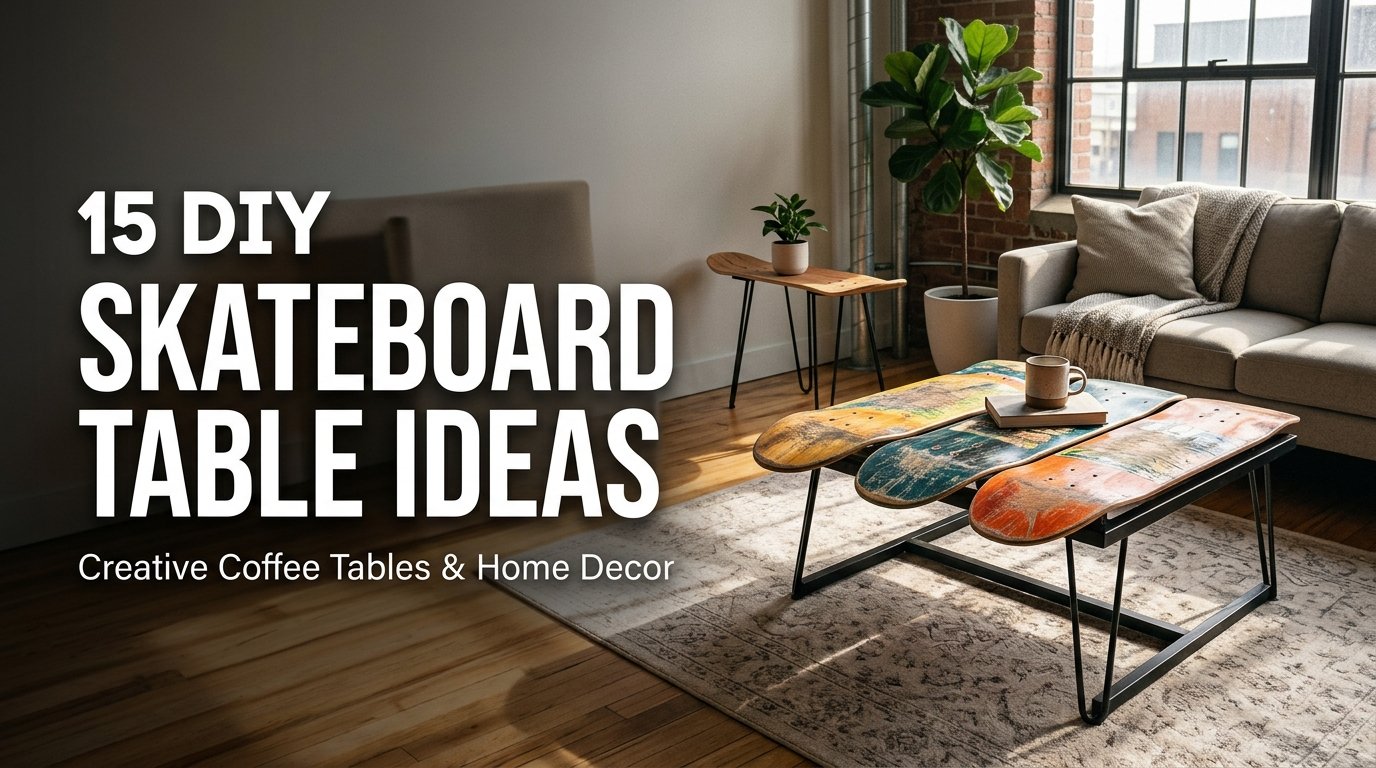
Turning an old skateboard into furniture is a creative way to give a worn-out deck a second life. Instead of leaving unused boards in a garage, you can turn them into compact tables, decorative stands, and practical pieces for your home.
A skateboard table can add personality to a bedroom, living room, gaming setup, or workshop. Whether you prefer a simple bedside table or a bold coffee table made from several decks, there are plenty of ways to experiment with skateboard-inspired furniture.
In this guide, you’ll discover 15 DIY skateboard table ideas, along with materials, construction tips, and important safety considerations.
Table of Contents
Why Make a DIY Skateboard Table?
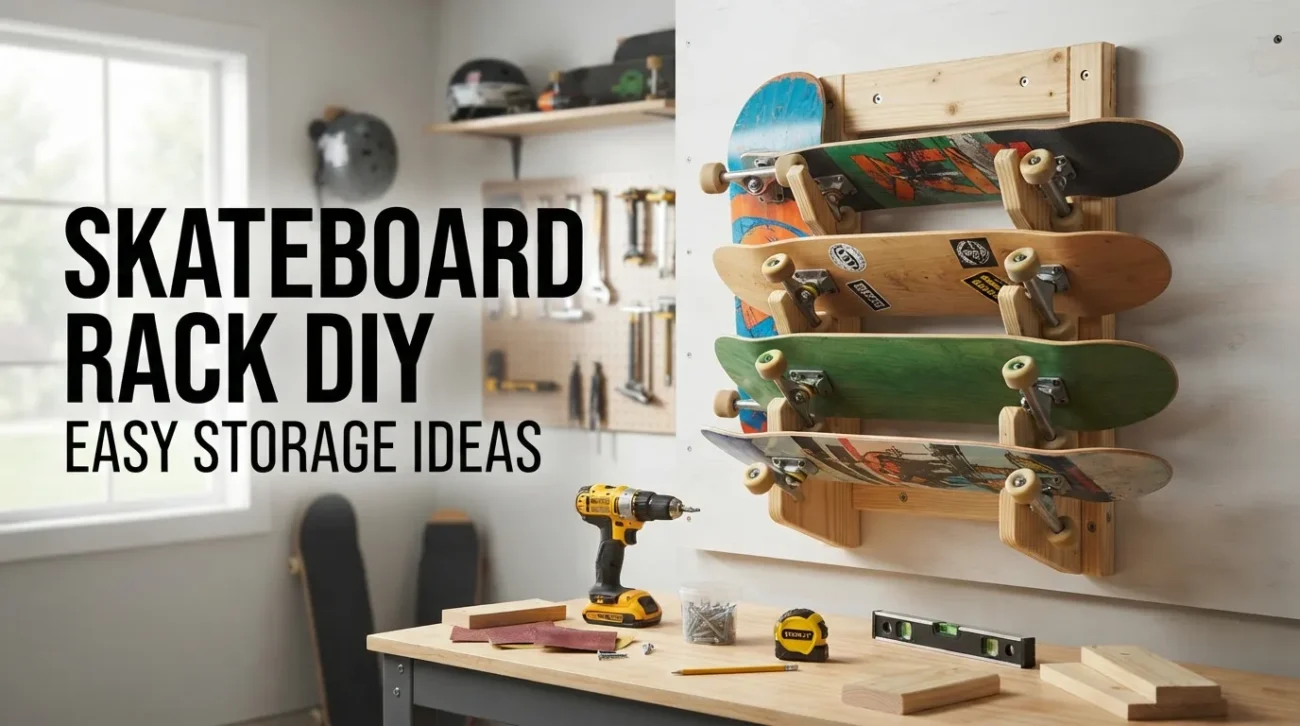
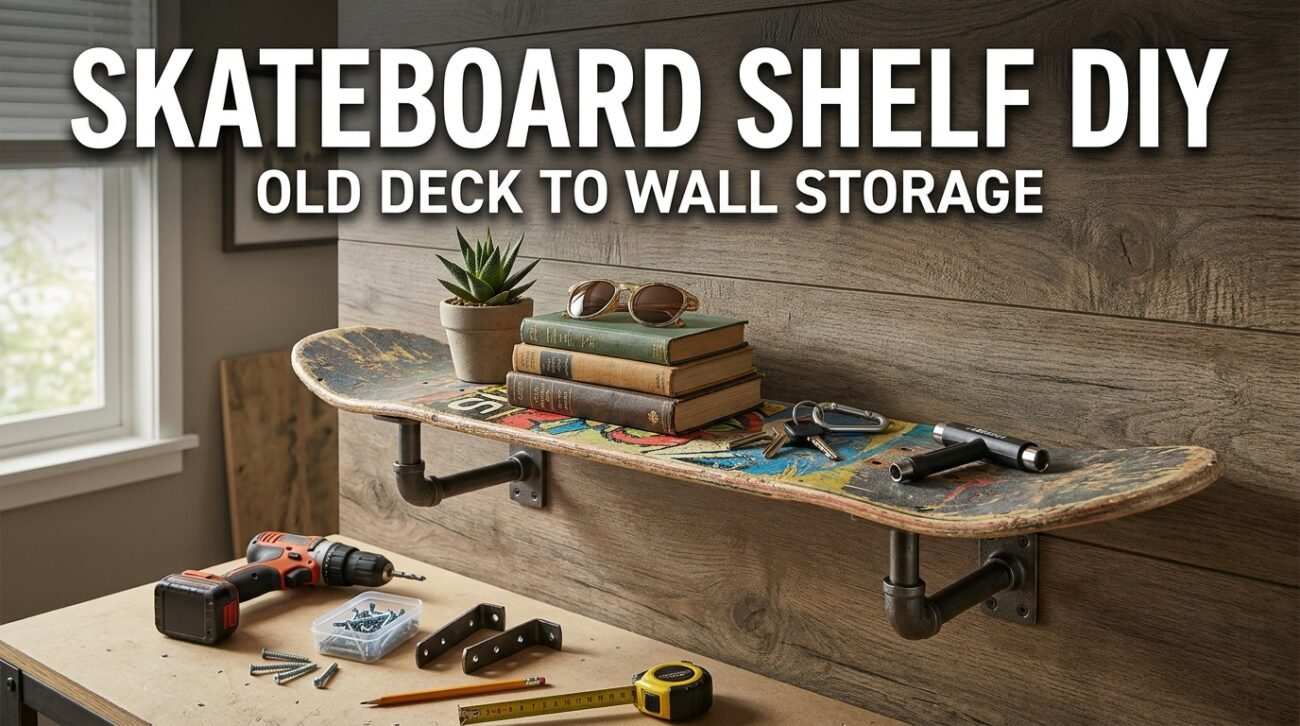
For more creative projects, explore our DIY skateboard shelf ideas.
Skateboard decks have distinctive shapes, curved ends, and graphic designs that can make interesting furniture surfaces.
Repurposing them also helps reduce waste and gives old boards a new purpose.
Here are a few reasons to try this project:
- Creative design: Turn skateboard graphics into unique home decor.
- Space-saving furniture: Make compact tables for smaller rooms.
- Personalization: Choose colors, legs, and finishes that match your style.
- Upcycling: Reuse unwanted decks instead of throwing them away.
- DIY experience: Practice measuring, drilling, sanding, and assembling.
However, a skateboard deck was originally designed for riding, not furniture construction. Its strength and stability depend on its condition, support, and how the finished table is assembled.
15 DIY Skateboard Table and Coffee Table Ideas
1. Classic Skateboard Deck Coffee Table
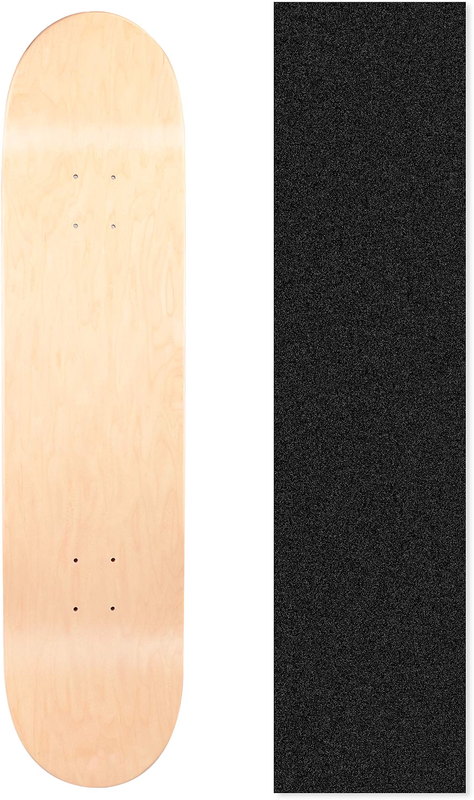
The familiar curved shape creates an unusual centerpiece, especially when the original deck graphics remain visible.
For this design, use a stable frame beneath the decks rather than relying on a single unsupported board.
Design tip: Pair colorful skateboard graphics with simple black metal legs for an industrial-style finish.
2. Two-Deck Skateboard Coffee Table
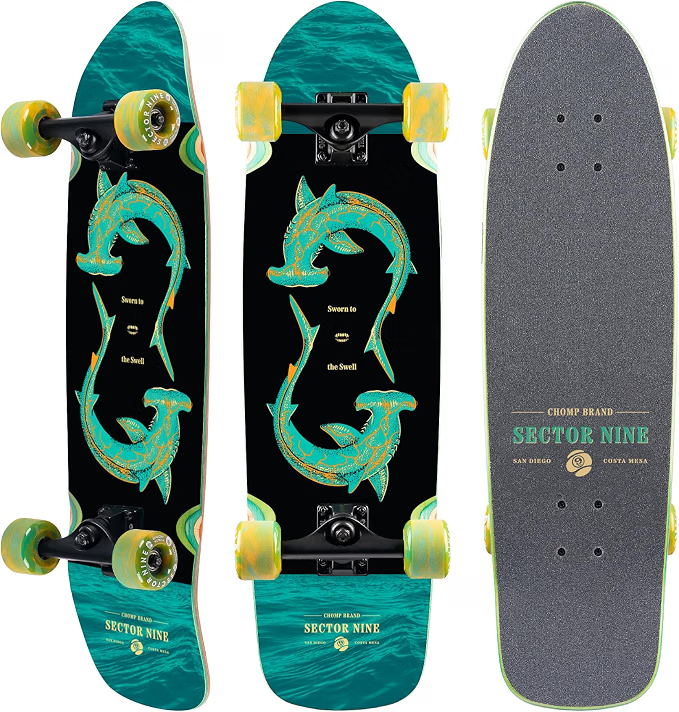
If one skateboard deck feels too narrow, try placing two decks side by side.
This arrangement creates a wider surface and gives you the opportunity to combine different skateboard graphics.
A rigid frame beneath both decks can help keep the tabletop aligned and supported.
Design tip: Choose decks with contrasting colors for a more eye-catching result.
3. DIY Skateboard Bedside Table
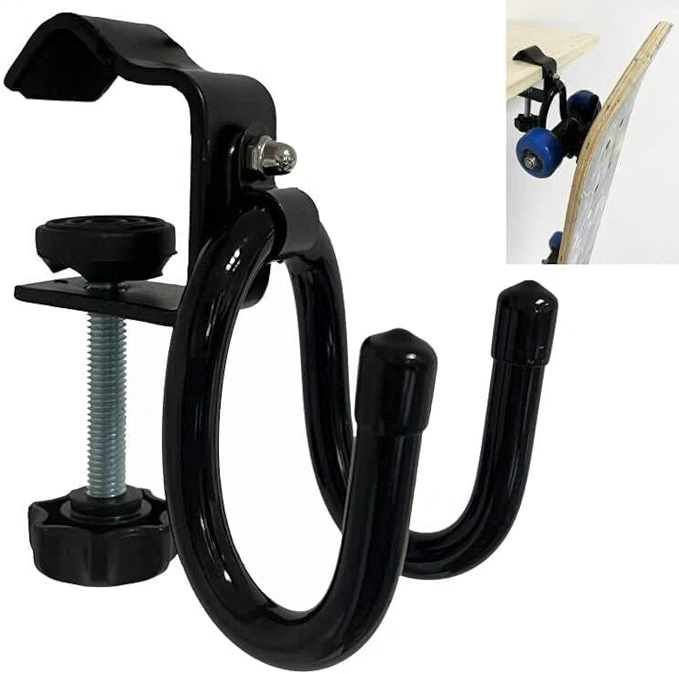
A skateboard bedside table is a practical option for small bedrooms.
Its narrow shape can work beside a bed where you only need space for a phone, a small lamp, or a few everyday items.
Use a sturdy base and check that the table cannot tip easily.
Design tip: A natural wooden deck with simple legs can suit a minimalist bedroom.
4. Wall-Mounted Skateboard Floating Table
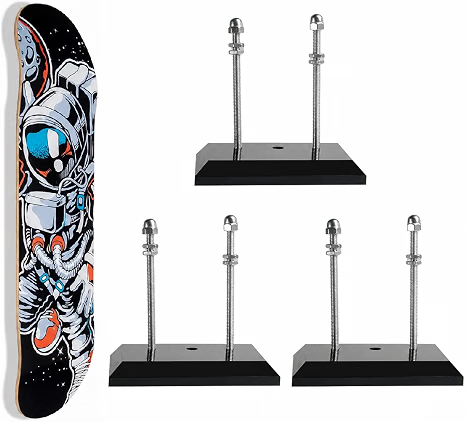
A floating skateboard table creates the appearance of furniture extending directly from the wall.
It can be used as a small decorative shelf or narrow bedside surface.
Secure it with appropriately rated brackets and wall fixings suitable for the wall material. Avoid mounting it to drywall alone without adequate structural support.
Design tip: Install the deck with the graphic side facing upward or outward, depending on the intended display.
5. Skateboard Deck Side Table With Hairpin Legs
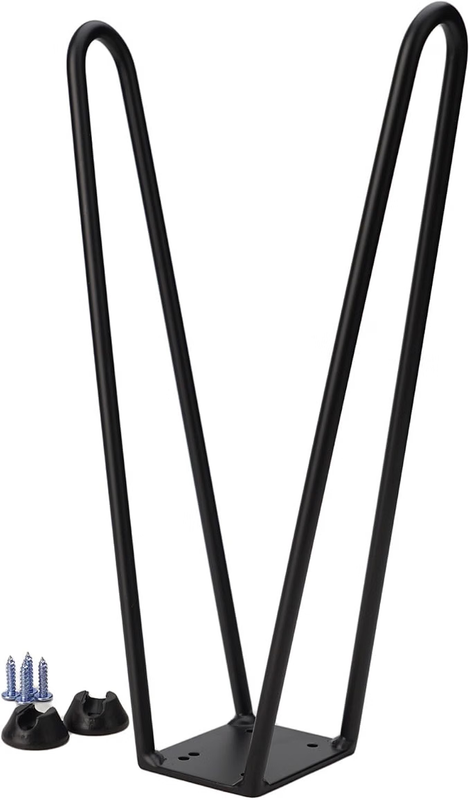
Hairpin legs are a popular choice for compact DIY furniture because of their simple, modern appearance.
A skateboard deck combined with a properly supported set of hairpin legs can become a distinctive accent table.
Choose legs and mounting hardware that suit the tabletop’s dimensions and intended load.
Design tip: Matte-black hairpin legs pair well with vintage skateboard artwork.
6. Rustic Skateboard Coffee Table
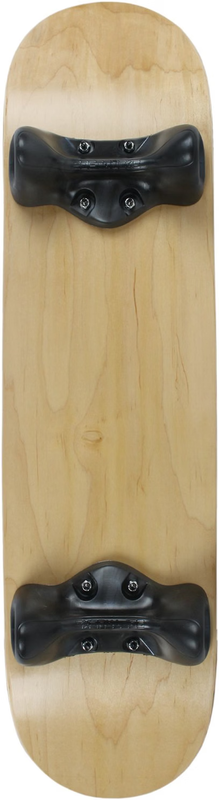
A rustic skateboard table combines old decks with reclaimed wood or other weathered-looking materials.
You can use skateboard decks as decorative sections of a larger tabletop instead of making them carry the entire load.
This approach works particularly well when a damaged deck is no longer structurally reliable.
Design tip: Combine dark-stained wood with faded deck graphics for a vintage workshop appearance.
7. Skateboard Table With Storage Shelf
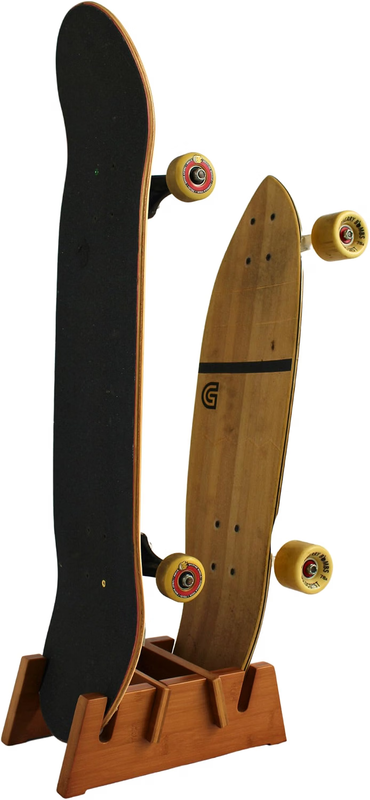
A small table with an additional shelf can provide more practical storage than a basic skateboard stand.
The skateboard deck may form the upper surface while a separate wooden shelf sits underneath.
The shelf and tabletop should both be supported by a stable frame.
Design tip: Use the lower shelf for magazines, small accessories, or lightweight decorative items.
8. Mini Skateboard Table for a Gaming Room
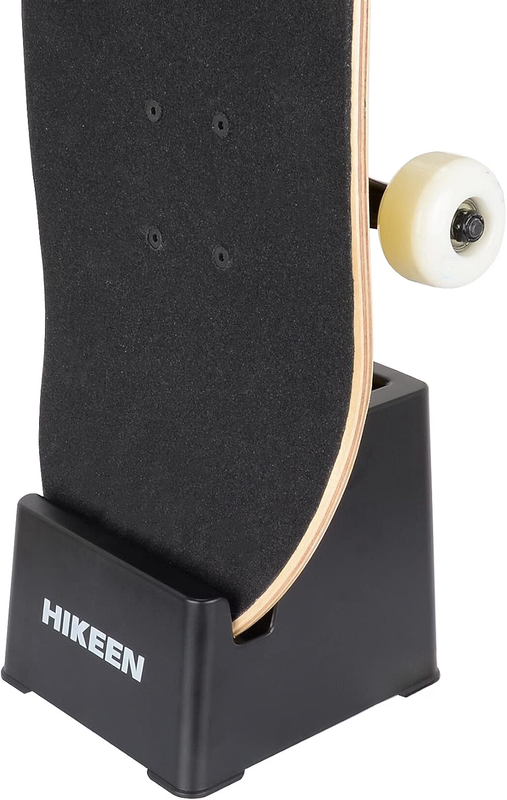
A skateboard-inspired side table can complement a gaming room or creative workspace.
Try using a brightly colored deck, black legs, and a coordinated room color scheme.
The finished table could hold a controller, headphones, or small decorative objects if its load capacity and stability are suitable.
Design tip: Match the deck graphics with the room’s lighting or gaming accessories.
9. Transparent-Top Skateboard Coffee Table
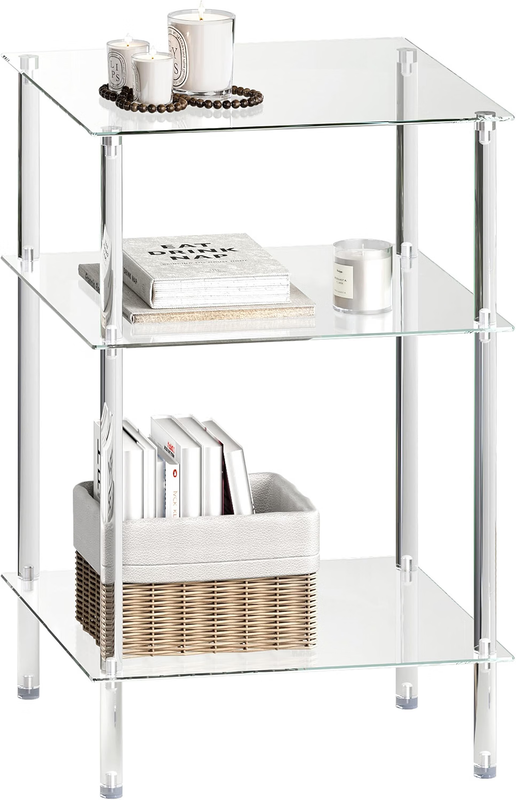
For a more polished design, consider displaying skateboard decks beneath a separate transparent tabletop.
This allows the deck graphics to remain visible while providing a more even surface for everyday use.
The transparent top requires appropriate material, edge finishing, support, and secure installation. Do not simply place loose glass over an unstable skateboard base.
Design tip: Use multiple decks with different graphics to create a colorful display beneath the surface.
10. Industrial Skateboard Pipe-Leg Table
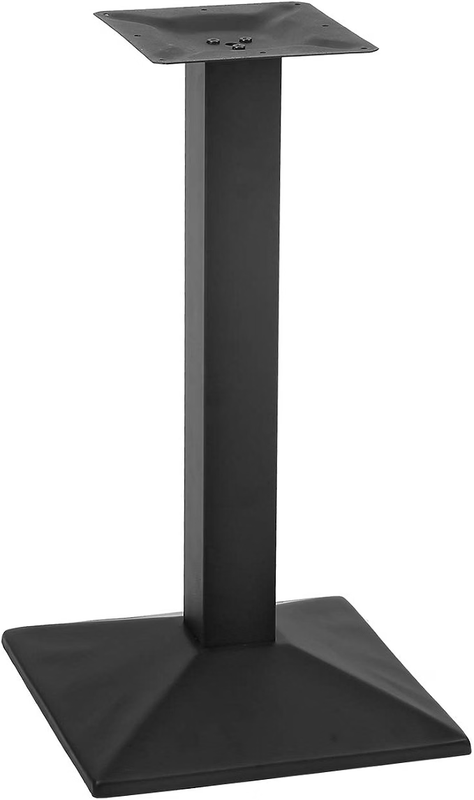
An industrial-style skateboard table can combine a deck-inspired tabletop with metal pipe legs.
The metal structure gives the project a workshop-inspired appearance.
Build the supporting frame carefully and check that the assembled table stands level without wobbling.
Design tip: Black pipe fittings and a natural wood finish create a strong visual contrast.
11. Colorful Skateboard Kids’ Room Table
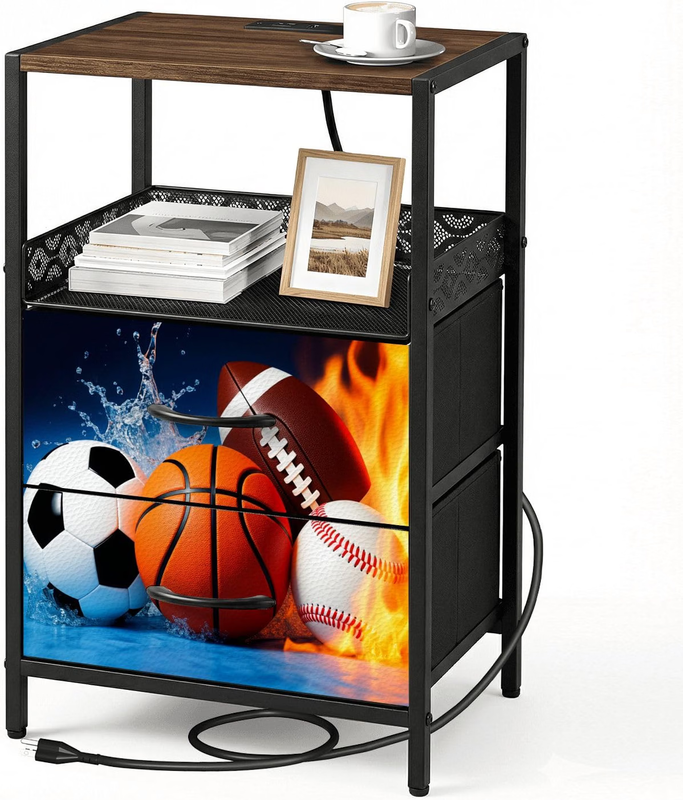
A skateboard-themed table can make a playful decorative addition to a child’s room.
Bright colors, cartoon-style graphics, and rounded design details can make it visually appealing.
For children’s furniture, prioritize anti-tip stability, smooth edges, secure connections, and child-appropriate finishes. A decorative DIY table should not be treated as something to stand or climb on.
Design tip: Choose cheerful colors that match the bedroom’s existing decor.
12. Skateboard Entryway Console Table
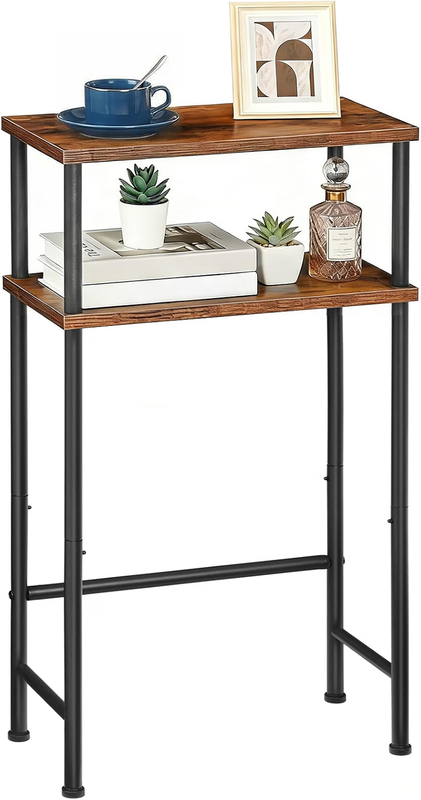
A skateboard-inspired console table can provide a narrow decorative surface near an entryway.
You might use several old decks as a design feature within a larger wooden console.
Because skateboard decks are relatively narrow, a proper furniture frame is important for stability.
Design tip: Add a small bowl for keys and a lightweight decorative plant.
13. Upcycled Skateboard Desk Side Table
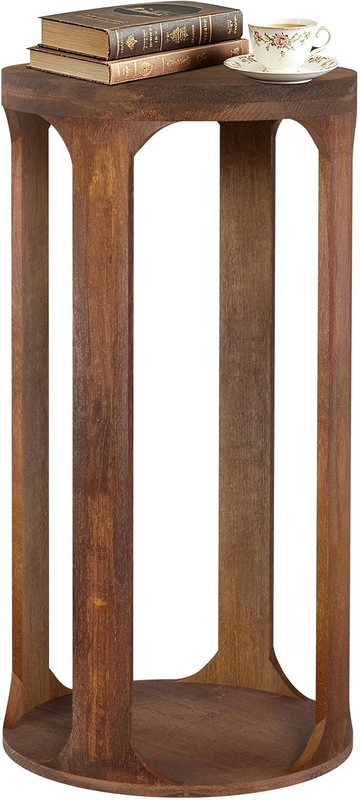
A compact skateboard table can sit beside a home office desk.
This project is useful for creating a dedicated spot for a notebook, accessories, or other lightweight items.
Choose a height that works comfortably with your existing desk and chair.
Design tip: Keep the finish simple so the skateboard graphics become the main visual feature.
14. Skateboard Table With LED Accent Lighting
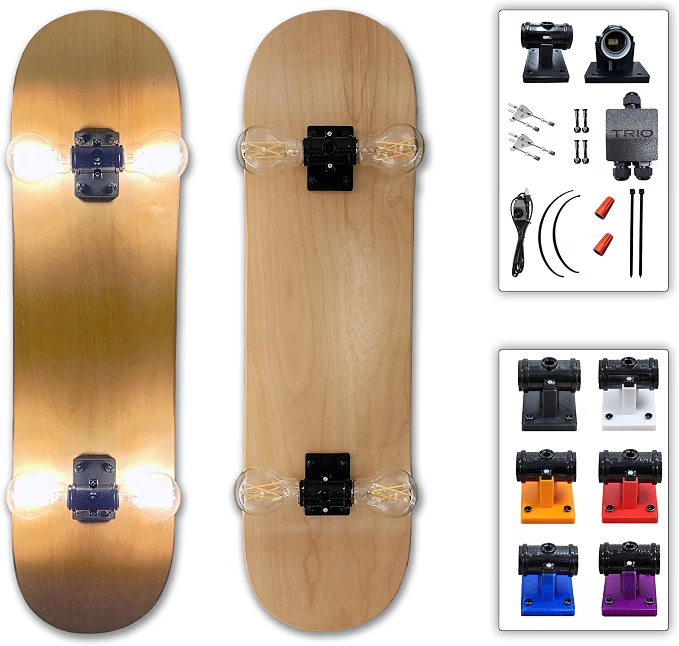
Adding subtle lighting can turn a skateboard table into an interesting decorative feature.
Install suitable low-voltage LED strips beneath a supported tabletop or along a frame designed to hold them.
Keep wires protected, use compatible power components, and follow the lighting manufacturer’s installation instructions.
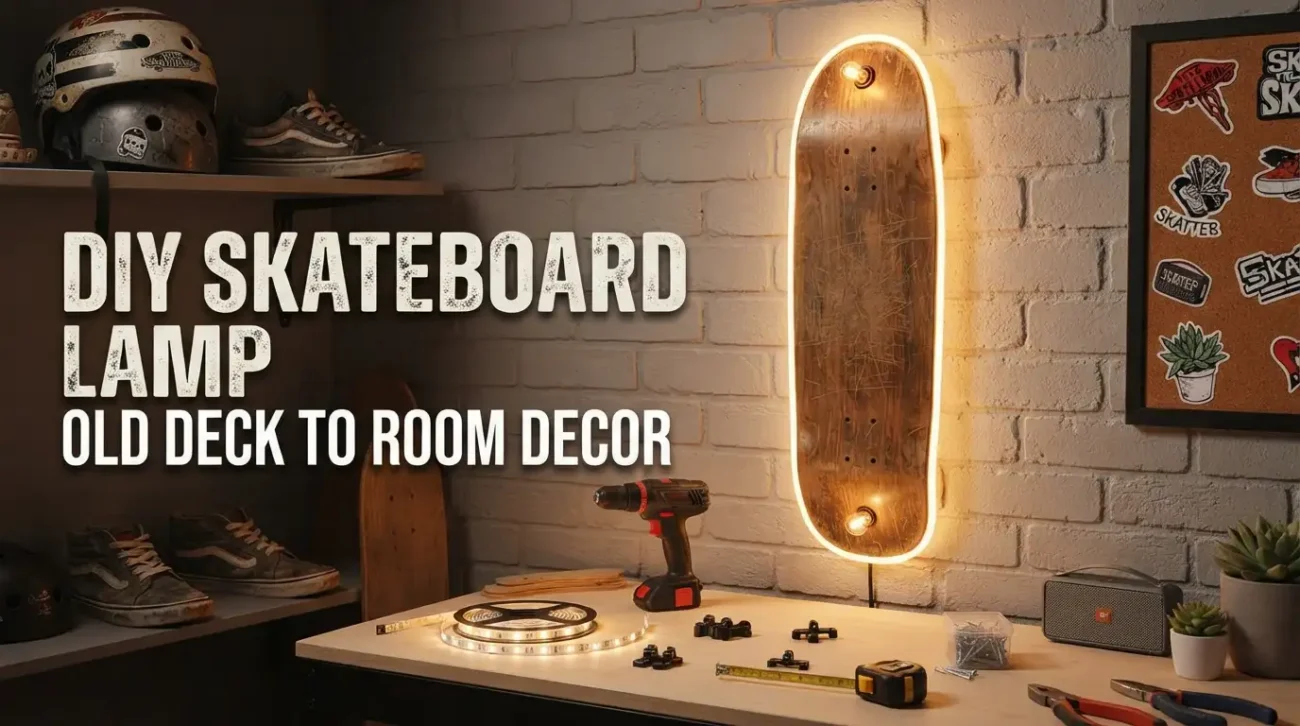
Design tip: Warm-white lighting creates a subtle effect, while colored LEDs can suit a gaming room.
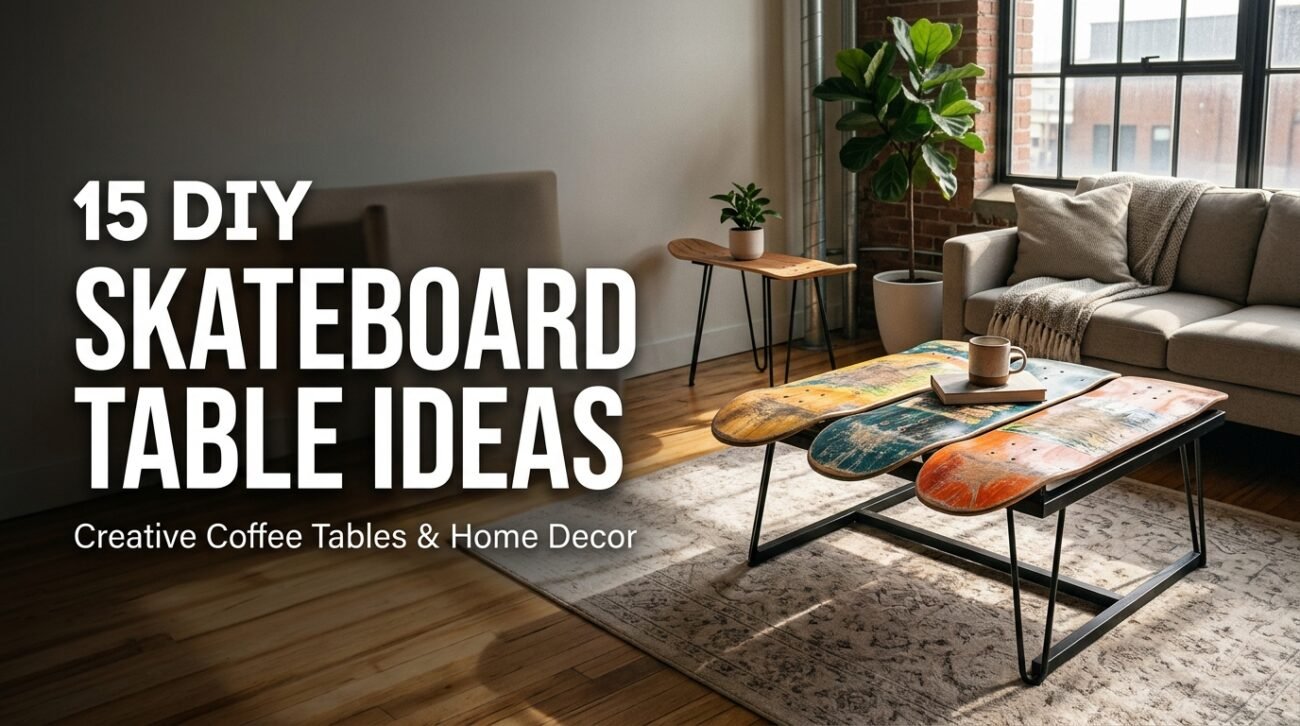
15. Multi-Deck Skateboard Coffee Table
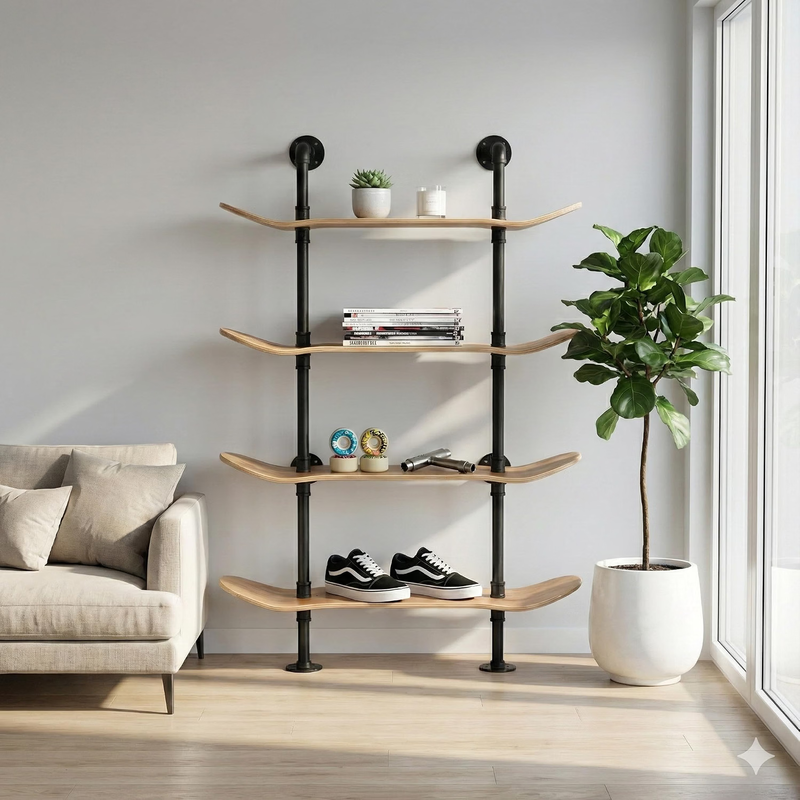
For a larger statement piece, use several old skateboard decks as decorative elements within a full-size coffee table.
Arrange the boards side by side or in a deliberate pattern to display their graphics.
A rigid underlying tabletop or frame should provide the structural support, particularly if the decks are worn or damaged.
Design tip: Combine decks from different eras for a personalized skateboard collection display.
Materials and Tools for a DIY Skateboard Table
The exact materials depend on the design, but many projects use some combination of the following:
- Old skateboard decks
- A suitable supporting frame or tabletop
- Table legs or wall brackets
- Screws, bolts, and mounting plates
- Measuring tape and pencil
- Drill and appropriate drill bits
- Sandpaper
- Wood finish or protective coating
- Safety glasses and other appropriate protective equipment
Before buying anything, sketch your project and determine how the tabletop will be supported.
Avoid assuming that hardware designed for skateboard trucks will also be suitable for attaching furniture legs.
How to Make a Simple Skateboard Side Table
The following is a general planning process rather than a universal construction specification. The correct mounting method depends on the deck, legs, and support structure.
Step 1: Inspect the Skateboard Deck
Remove unwanted hardware and inspect the deck for cracks, delamination, severe warping, or water damage.
If the deck is weakened, use it only as a decorative element attached to a separate structural tabletop.
Step 2: Plan the Table Dimensions
Decide where the table will sit and measure the available space.
Sketch the desired height, leg positions, and any additional support needed.
Step 3: Choose a Stable Support System
Use furniture components and hardware suitable for the intended design.
Follow the leg or bracket manufacturer’s mounting instructions, including any requirements for reinforcement.
Step 4: Prepare the Surfaces
Clean the deck and smooth any rough edges.
If sanding old paint or coatings, take suitable precautions against dust and follow relevant product safety instructions.
Step 5: Assemble the Table
Attach the tabletop and support structure using the appropriate hardware.
Make sure fasteners do not protrude dangerously through the deck or other accessible surfaces.
Step 6: Check Stability Before Use
Place the finished table on a level surface.
Check for rocking, loose fittings, sharp edges, and tipping risks before placing objects on it.
Do not assume the finished table can support a person’s weight.
Tips for Choosing the Best Skateboard Table Design
A successful skateboard furniture project should balance appearance with practical use.
Start by considering the room. A narrow bedside table may be more useful in a small bedroom than a large coffee table.
Next, think about the condition of the deck. A well-preserved board may be suitable as a decorative tabletop component, while a cracked or damaged board should not carry structural loads.
Finally, choose a design that matches your tools and woodworking experience.
Simple decorative projects are generally easier to plan than large furniture pieces with complex frames.
Common DIY Skateboard Table Mistakes to Avoid
Using a Damaged Deck as the Only Support
An old skateboard may have cracks or weakened layers that are not immediately obvious.
Use additional structural support where necessary.
Installing Legs Without Checking Stability
Poorly positioned legs can create a table that rocks or tips easily.
Plan the support arrangement before drilling.
Ignoring Sharp Edges
Metal brackets, exposed screws, and rough wood edges can make a finished project unsafe.
Inspect and finish all accessible edges.
Choosing Appearance Over Function
A creative table should still suit the space and its intended purpose.
Think about everyday usability before adding decorative features.
Skipping a Final Inspection
Check all fasteners and supports before using the table.
Recheck them periodically, especially if the furniture is moved.
Frequently Asked Questions
Can You Turn an Old Skateboard Into a Table?
Yes. Old skateboard decks can be repurposed into decorative tables, side tables, or coffee table designs. The safest approach is to use a stable supporting structure suited to the intended use.
How Many Skateboard Decks Do You Need for a Coffee Table?
A small decorative table might feature one deck, while wider coffee table designs can incorporate two or more. The number depends on your dimensions and the structure supporting them.
Can a Broken Skateboard Deck Be Used for Furniture?
A broken deck may be suitable as a decorative panel or design feature. It should not be relied upon as a structural tabletop without independent support.
Are Skateboard Tables Good for Small Rooms?
Compact skateboard-inspired side tables can work well in bedrooms, offices, and small living spaces. Choose dimensions that allow comfortable movement around the furniture.
Can You Use Skateboard Decks Under a Glass Tabletop?
Yes, skateboard decks can be displayed beneath a separate transparent tabletop. The transparent panel must be appropriately specified, supported, and securely installed.
Conclusion
These 15 DIY skateboard table ideas show how old decks can become creative home decor, from compact bedside stands to larger coffee tables.
The best design depends on your available space, tools, deck condition, and personal style.
Whether you prefer a colorful gaming-room table, a rustic reclaimed-wood project, or a modern table with metal legs, focus on building a stable structure that complements the skateboard’s unique appearance.
With thoughtful planning, even an old deck can become the centerpiece of an interesting furniture project.