You spot a helmet that looks perfect for the skatepark. It has the right shape, lots of reviews and a price that seems fair. Then you realize the listing says “multi-sport” but doesn’t actually explain whether that version is certified for skateboarding. That small detail is where helmet shopping gets tricky. The best skateboard helmet is one that fits securely and is appropriate for the riding you do. Here are seven Amazon-linked options, with the important differences laid out plainly.
Quick recommendation: Triple Eight publishes ASTM F1492 skateboard and U.S. CPSC bicycle certification for THE Certified Sweatsaver, making it the best-documented model on this shortlist. That doesn’t mean it fits every head, or that a similarly named product is identical. Match the certification, model and size before purchasing. Still building your setup? Our beginner skateboard guide covers the boards themselves.
Picture a normal afternoon at a skatepark: some flatground, a few attempts on a ledge and maybe a small ramp. Your helmet needs to stay in place as your head moves. A useful buying checklist starts with three questions: Is the helmet certified for your activity? Does its size chart match your head? Does it stay secure when you move? Our skateboarding safety equipment checklist covers other protective gear.
How we compared these helmets: This is a specification-based review, not a personal crash test. We checked published product information, fit features, intended activities and available safety-standard documentation. We haven’t worn or impact-tested these seven models, and we can’t confirm every seller’s current Amazon variant. When a specific certification is unverified, we say so instead of inventing a safety rating.
Table of Contents
Quick Comparison: Seven Helmet Listings
A note about the table: This isn’t a ranking of crash-test results. Only the named Triple Eight Certified Sweatsaver has skate-specific certification clearly established through the manufacturer’s information in this comparison. For the other six listings, the buyer needs to check the exact model and label before deciding whether it suits trick skating.
| Model | Audience | Certification evidence | What to check |
|---|---|---|---|
| OutdoorMaster multi-sport | Adult/youth options | Not verified for exact linked model | Inspect ASTM label |
| JBM multi-sport | Multiple size options | Not independently verified | Check model and fit |
| Triple Eight THE Certified Sweatsaver | Street / park | ASTM F1492 + CPSC (maker documentation) | Best-documented candidate |
| Retrospec Dakota | Bike/skate-style listing | Skate standard not verified | Confirm intended use |
| 80Six youth | Kids/youth | Seller claims dual certification; unverified | Check label and size |
| OUWOER kids bike | Children | Skate standard not established | Not a confirmed trick pick |
| Flybar multi-sport | Various activities advertised | Skate/snow certifications unverified | Check activity labels |
You may see ASTM F1492 and CPSC written side by side on some product pages. They mean different things. ASTM F1492 concerns skateboarding and trick roller-skating helmets; U.S. CPSC 16 CFR 1203 concerns bicycle helmets. Some models carry both. Don’t assume that a familiar skate-style shell means a bike-only helmet meets the skateboard standard.
How to Choose a Skateboard Helmet
Measure your head before choosing a size
Use a flexible tape measure around the widest part of your head, roughly just above your eyebrows and ears. Keep it level, note the circumference in centimeters, then check the manufacturer’s chart for that exact model. If you don’t have a tape, use a piece of string and measure it with a ruler. A medium in one brand isn’t guaranteed to match a medium in another.
A simple fit test you can do at home
- Position: Set the helmet level, covering the forehead without blocking your view.
- Straps: Fasten the buckle and adjust the straps so the helmet stays secure without painful tightness.
- Movement: Look up, down and side to side. It shouldn’t slide back or drop into your eyes.
- Pressure: If one area hurts or the shell wobbles, consider a different size or shape rather than forcing the adjustment.
- Condition: Don’t use a helmet with cracked foam, broken straps or a questionable impact history.
Here’s the part people miss when they buy online: a helmet that feels fine for a few seconds may move as soon as you bend down to pick up your board. Try it indoors and follow the seller’s return policy if the fit isn’t right.
Check the actual safety standard
Skateboarding and bicycling have different common helmet standards in the United States. A dual-certified helmet may meet both, but that must be demonstrated for the exact product, not inferred from the words “multi-sport.” Look for the standard on the helmet or in the manufacturer’s current documentation.
Five mistakes to avoid
- Buying a helmet by age or hat size instead of measuring the head.
- Assuming any rounded “skate style” helmet is certified for tricks.
- Using extra comfort pads to compensate for a shell that’s fundamentally too big.
- Assuming a bicycle helmet is automatically appropriate for skateboarding or snowboarding.
- Keeping a helmet after a significant impact without checking the manufacturer’s replacement guidance.
If a listing doesn’t clearly identify the model, size and relevant standards, that’s a reason to keep comparing, not a reason to rush because the price looks good.
Before you pay, look for the safety marking on the actual model, not just a badge in an online graphic. The same applies to size: thick padding won’t make the wrong shell size fit correctly. If you’re thinking about risk beyond helmets, our skateboard injuries and prevention guide explains common problems and ways to reduce them.
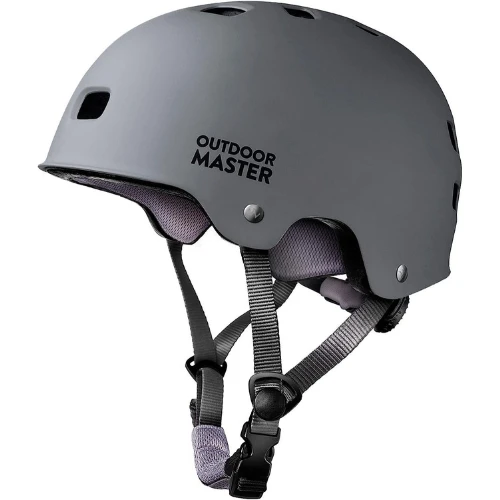
1. OutdoorMaster Helmet: Verify the Skate Certification
OutdoorMaster Skateboard Helmet Review
Key Features:
- OutdoorMaster multi-sport: verify exact model
- ABS/EPS materials described by seller
- Confirm model-specific size chart
- ASTM F1492: Not verified for linked version
OutdoorMaster: This multi-sport helmet may interest someone who wants a skate-style hard shell and the option of removable fit pads. The difficulty is that marketplace listings can combine different versions and sizes. We couldn’t independently match the linked variant to an ASTM F1492 skateboard certification, so check the exact model before considering it for tricks.
A removable liner can be convenient, particularly if you need to clean sweat pads. But it’s not a cure for an oversized helmet. Start with your head measurement, then confirm the pads and size shown in the Amazon listing are actually included in the version you’re buying.
Pros
- Hard-shell skate-style construction described by seller
- Multiple sizes and removable liners on some variants
Cons
- Exact linked variant’s ASTM F1492 status not verified
- Real-world fit and ventilation not independently tested
2. JBM Helmet: Fit and Safety-Standard Check
JBM Skateboard Helmet Review
Key Features:
- JBM multi-sport: exact variant to verify
- Adjustable fit and ventilation advertised
- Check measured head-size range
- Skate certification not independently verified
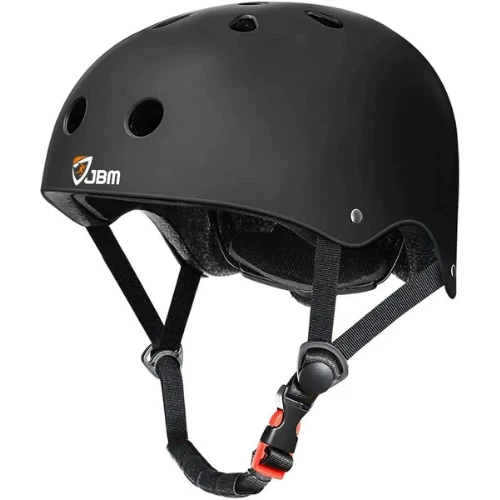
JBM: The product description emphasizes adjustable fit and use for several wheeled sports. That gives you a starting point, but “multi-sport” doesn’t tell you which standards the exact model meets. We haven’t independently confirmed a matching skateboarding certification for the linked version.
A familiar mistake is ordering a generic medium because you’ve worn medium hats. Helmet sizes are brand-specific. Compare the JBM size chart in centimeters with your measurement and make sure the chin strap can hold the helmet securely without uncomfortable pressure.
Another point worth remembering: vents and thick-looking foam can affect comfort, but they’re not proof of a particular safety certification. If the seller can’t identify the exact JBM version and its standard, a better-documented skate helmet is the more sensible comparison.
Pros
- Adjustable strap and padded fit described in listing
- More than one head-size option listed
Cons
- Exact skateboard standard not independently verified
- Actual comfort and fit not tested
3. Triple Eight THE Certified Sweatsaver: Documented Skate Certification
Triple Eight Skateboard Helmet Review
Key Features:
- Model to match: THE Certified Sweatsaver
- ASTM F1492 skate standard (manufacturer stated)
- U.S. CPSC bicycle standard (manufacturer stated)
- EPS liner with two Sweatsaver fit liners
- Published circumference range: 51–63 cm
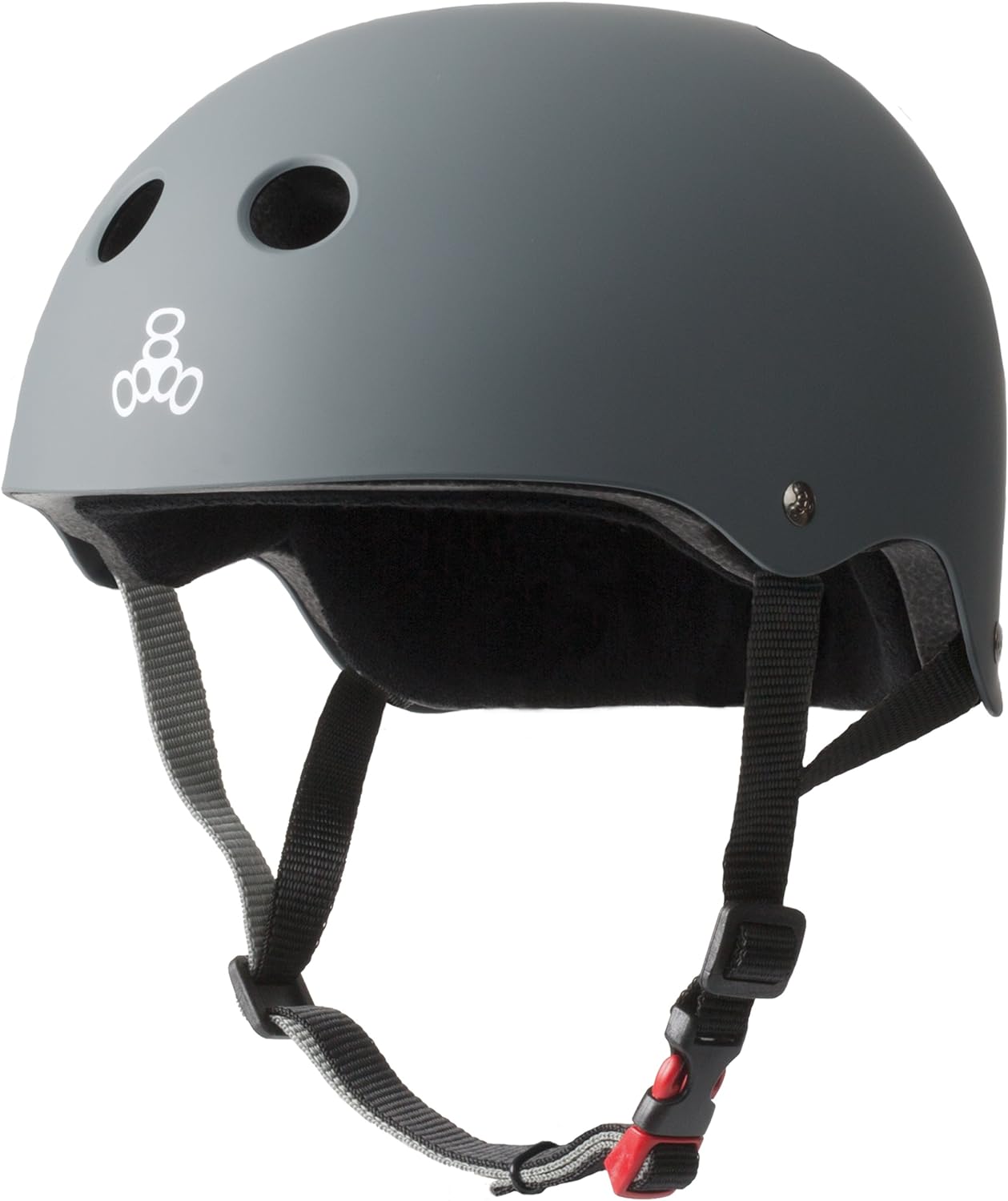
Triple Eight THE Certified Sweatsaver: This is the clearest documented option among the seven. Triple Eight states that the Certified Sweatsaver meets ASTM F1492 for skateboarding and the U.S. CPSC bicycle standard. The word Certified matters because other Triple Eight helmets may look similar without being the same product.
The manufacturer describes an EPS impact liner and two sets of Sweatsaver fit liners. Those liners help adjust comfort, but the protective structure is the helmet itself. Choose a size from the manufacturer’s circumference chart and confirm that the Amazon card leads to the actual Certified Sweatsaver, not another helmet with a similar name.
Tip: If you cannot verify the model’s relevant certification and get a secure fit, don’t let the color or the discount make the decision for you.
Comfort pads can make a difference during a warm session, but they don’t replace the impact-absorbing liner. Clean them according to the maker’s instructions, and do not assume a helmet can be reused after a serious impact just because the outer shell looks fine.
Who should consider it? Someone who skates street or park and wants a conventional skate-helmet shape with well-documented standards. Who shouldn’t buy it on reputation alone? Anyone whose head measurement or shape doesn’t suit its available fit. A famous brand doesn’t overcome poor sizing.
Pros
- ASTM F1492 and CPSC certifications published by maker
- EPS liner and replaceable comfort liners
- Four head-size ranges published
Cons
- Confirm Amazon listing is the Certified version
- Helmet fit and heat comfort vary by person
4. Retrospec Dakota: Check the Exact Helmet Model
Retrospec Dakota Skateboard Helmet Review
Key Features:
- Retrospec Dakota; listing also says bike helmet
- Confirm exact model and measured fit
- Skate standard not independently established
- Do not assume bicycle standard equals ASTM F1492
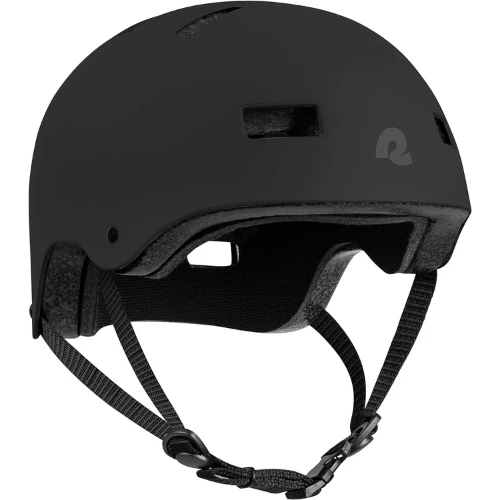
Retrospec Dakota: There’s a wording problem in some product information: the Dakota has been described as a bike helmet. That alone doesn’t prove whether it can or can’t be used for skateboarding. What matters is the exact model’s certification. We couldn’t verify the linked version against ASTM F1492.
The Dakota’s rounded style may appeal if you prefer a traditional look, but the shape doesn’t settle the safety question. Compare the manufacturer’s model photo, size guide and label with the Amazon listing. If the skate certification remains unclear, choose a documented alternative for the park.
Pros
- Model and size can be compared by label
- Available in a familiar low-profile helmet shape
Cons
- Some listing descriptions call this a bicycle helmet
- ASTM F1492 status not established for this link
5. 80Six Youth Helmet: Verify Age and Size Requirements
80Six Best Skateboard Helmet Review
Key Features:
- 80Six helmet for younger riders
- Seller describes dual certification
- Verify the ASTM F1492 label for exact size
- Check published children’s sizing guide
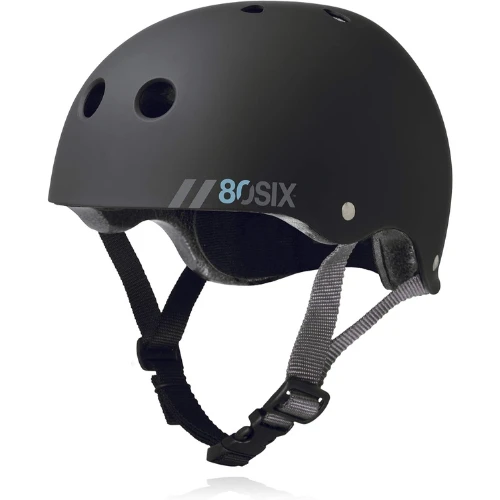
80Six for young riders: Kids’ helmet shopping isn’t as simple as clicking an age range. Head sizes vary widely, and the wrong size may slip even when the strap is fastened. The seller describes this youth helmet as dual-certified, but the exact linked variant still needs its markings confirmed. You can compare more age-specific choices in our kids’ skateboard helmet guide.
Measure the child’s head rather than assuming that “ages 5–8” or “youth” will fit. The helmet should sit level, stay secure with the buckle fastened and not rock around as they move. Buying a size too large so a child can grow into it isn’t a useful saving.
Pros
- Youth-focused sizing options are listed
- Seller describes multi-activity use
Cons
- Youth sizing will not suit many adults
- Confirm seller’s certification claims on the helmet
6. OUWOER Kids Bike Helmet: Skate Use Not Established
OUWOER Skateboard Helmet Review
Key Features:
- OUWOER listed as kids bicycle helmet
- Check child head circumference and fit
- Skate certification not established here
- Not recommended for tricks without skate label
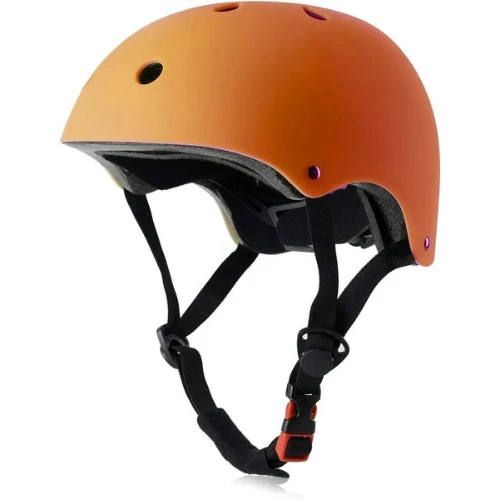
OUWOER: The linked product has also been described as a kids’ bicycle helmet. Bicycle certification by itself doesn’t establish suitability for skateboard tricks. If you can’t verify an appropriate skateboard standard for this exact version, don’t treat it as a confirmed park helmet. For other protective gear, see our skateboard pads for kids guide.
Bright colors and a matching set can make a child excited to wear gear. That’s useful only after the helmet passes the essentials: appropriate certification, correct head measurement and dependable fit. Check the actual label rather than making the purchase decision from a product photograph.
Pros
- Kids’ fit and adjustment features are advertised
- Listed size guidance can be checked
Cons
- Bicycle-only certification is not a substitute for ASTM F1492
- Unsuitable for trick-skating recommendation until verified
7. Flybar Helmet: Verify Activity-Specific Certifications
Flybar Skateboard Helmet Review
Key Features:
- Flybar multi-sport helmet
- Adjustable dial described in seller details
- Dual certification not independently matched
- Snow sport requires its own protective standard
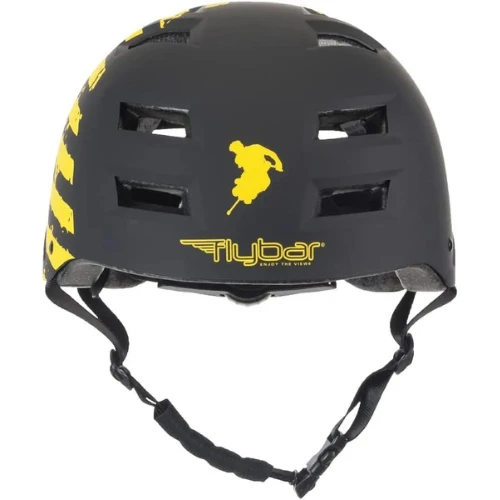
Flybar: An adjustable dial may help fine-tune how a helmet sits, which sounds convenient when you’re comparing products online. The catch is that “multi-sport” can cover many different activities. We haven’t independently verified that the exact linked Flybar variant meets all the skateboarding or snow-sport standards suggested by broad marketing language.
If you both skateboard and snowboard, check each activity separately. A skate helmet isn’t automatically a snow-sport helmet, and a fitting dial isn’t a substitute for the correct shell size. Verify the exact model and intended uses before buying one helmet for different sports.
Pros
- Adjustable dial described as a fit feature
- Multi-sport shape with advertised ventilation
Cons
- Separate snow-sport certification is not established
- Broad multi-sport marketing does not prove each standard
Final Thoughts on Best Skateboard Helmets
My takeaway: Pick by verified certification and fit, then compare comfort and design. The Triple Eight Certified Sweatsaver has the strongest manufacturer documentation among these seven named options, but only the correct model and size will be useful to the actual rider. If your skating takes you into bowls and ramps, our transition skateboarding guide explains that environment.
When a listing leaves the standard or model unclear, you don’t have to gamble on it. Check the label, sizing chart, current return policy and manufacturer’s replacement instructions. After an impact or visible damage, follow the maker’s crash guidance. No helmet is concussion-proof, and no product description replaces a secure fit.
Frequently Asked Questions (FAQs)
Why is it important to wear a skateboard helmet?
A properly fitted helmet designed for the activity can reduce the risk of some head injuries. It cannot guarantee prevention of concussion or other injury.
What should I look for when choosing a skateboard helmet?
Look for the exact model’s applicable skateboard standard, such as ASTM F1492, a secure level fit, sound shell and liner, adjustable straps, and the manufacturer’s size guidance.
Are there skateboard helmets suitable for children and adults?
Yes, but the specific size must match the rider’s measured head circumference and the helmet must meet the appropriate standard. Do not select a child helmet on age alone.
Can a skateboard helmet be used for other sports?
Only when its exact model meets the standard for the other activity. For cycling, check U.S. CPSC bicycle certification; do not assume a skate helmet automatically qualifies for other sports.
When should you replace a skateboard helmet?
Replace after an impact if the manufacturer requires it, whenever the shell/foam/straps show damage, or according to the model’s specified retirement schedule. Hidden impact damage is possible, so follow the maker’s instructions.
Safety reference: The U.S. Consumer Product Safety Commission’s “Which Helmet for Which Activity?” guide explains which helmet standards apply to skating, cycling and other activities.