Who are the greatest skateboarders of all time? There is no universally agreed ranking: some riders changed how tricks are performed, others dominated contests or made skateboarding more visible. Names consistently worth discussing include Tony Hawk, Rodney Mullen, Mark Gonzales, Elissa Steamer, Nyjah Huston and other influential skaters from different eras. This selection compares ten important figures by documented innovation, competitive achievements and cultural influence—not by a made-up universal score.
Our selection criteria: major advances in tricks or disciplines, competition achievements, influence through skate videos and media, and lasting contributions to skateboarding. The numbering is an editorial reading order, not a definitive all-time leaderboard. This is not an exhaustive list: athletes such as Patti McGee, Tony Alva, Bob Burnquist and many others also deserve consideration.
Quick answer by contribution: Vert innovation and global reach — Tony Hawk. Foundational street-trick innovation — Rodney Mullen. Creative street skating — Mark Gonzales. Women’s street progression — Elissa Steamer and Leticia Bufoni. Modern men’s street-contest achievements — Nyjah Huston. These categories are editorial judgments, not official awards.
Key Takeaways
- Innovation: Groundbreaking tricks redefine skateboarding.
- Inclusivity: Trailblazers promote diversity and gender equality.
- Mastery: Icons set standards with unparalleled skill.
- Global Impact: Legends elevate skateboarding’s worldwide popularity.
Table of Contents
1. Tony Hawk: The Legend of All Time
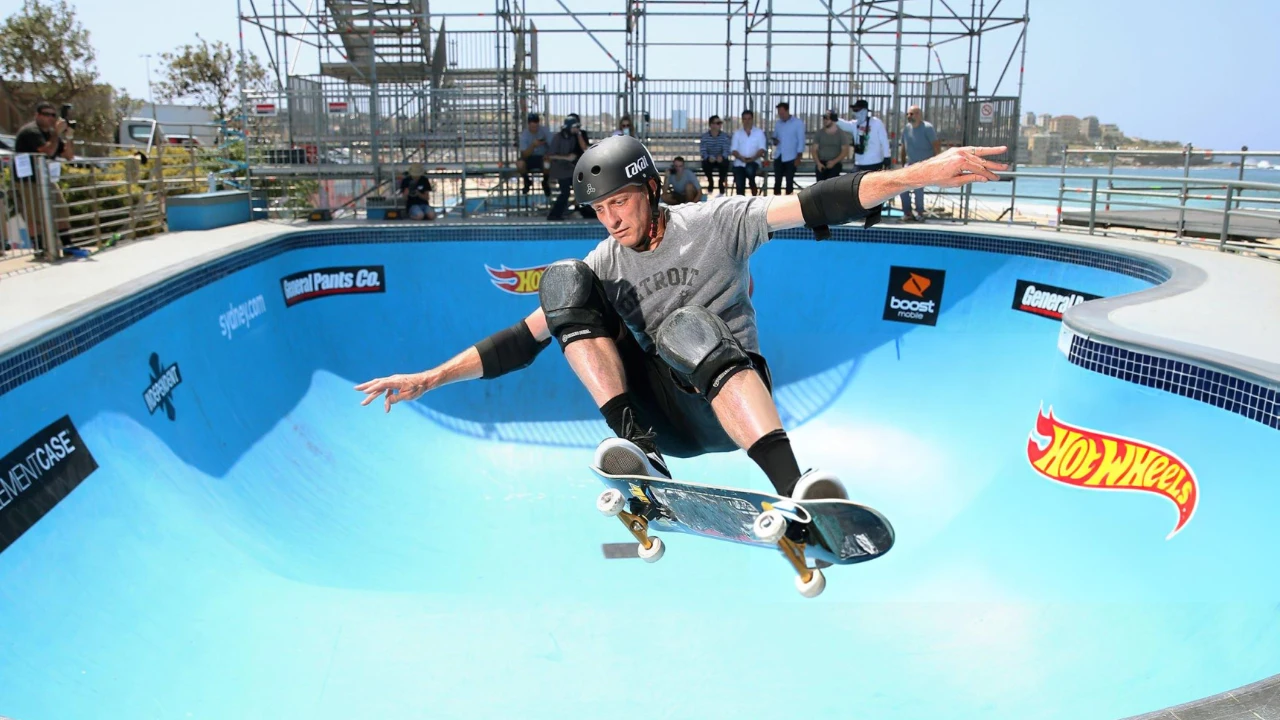
Why Tony Hawk belongs in the discussion: Hawk transformed vert skateboarding through exceptional contest results, technical progression and mainstream recognition. He famously landed a 900 at the 1999 X Games, and his video-game series introduced skateboarding culture to audiences far beyond the skatepark. The Skateboarding Hall of Fame records his long competitive career and extensive trick contributions. His impact is strongest in vert skating and global visibility; that does not automatically make him the best in every discipline.
2. Rodney Mullen: The Godfather of Street Skateboarding
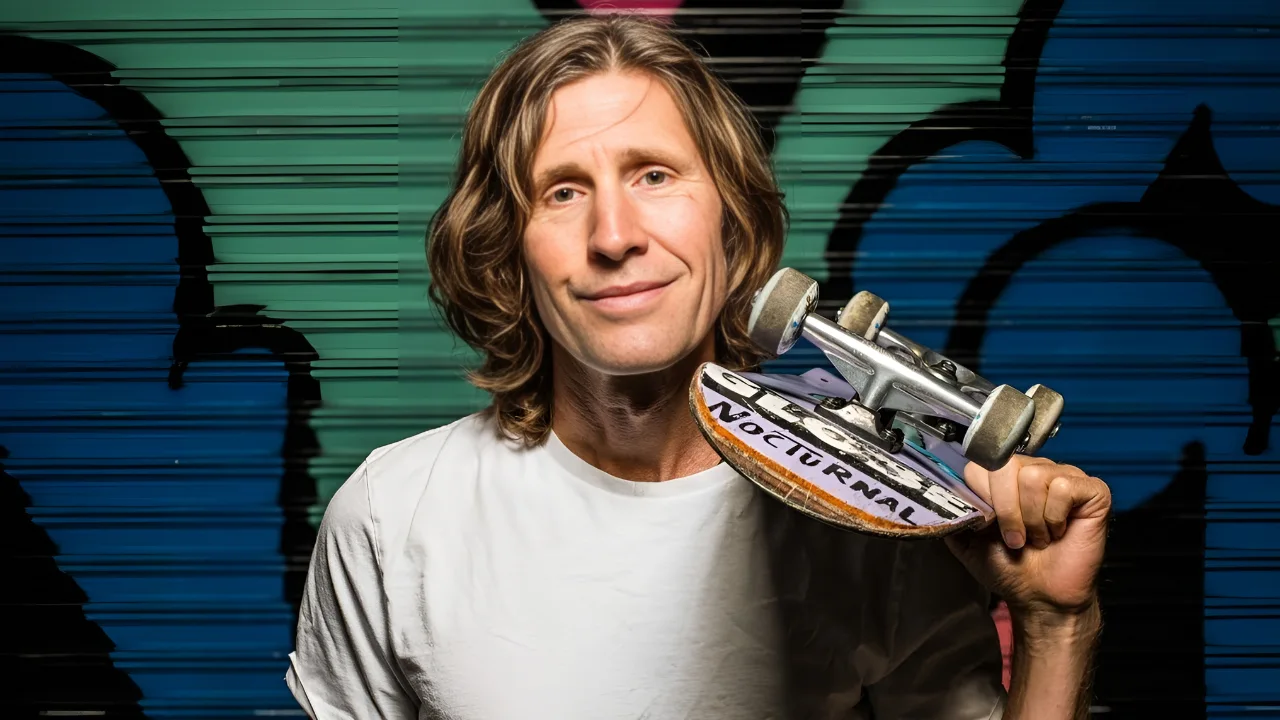
Rodney Mullen’s defining contribution is innovation. He adapted Alan Gelfand’s aerial ollie to flat ground in 1982, helping make modern street skateboarding possible. His inventions and refinements include the modern kickflip and numerous freestyle-to-street techniques. The Skateboarding Hall of Fame traces how these developments became foundations for later skaters. Mullen is an especially strong answer when “greatest” means influence on how people skate today.
3. Nyjah Huston: Dominance in Competition

Nyjah Huston is an example of modern street-contest dominance. His career includes multiple Street League Skateboarding titles and major X Games results. He also won bronze in men’s street at the Paris 2024 Olympics, according to his official Team USA profile. His place here rests on documented competitive consistency and technical skill rather than claims about being unbeatable or universally number one.

Elissa Steamer helped establish women’s street skateboarding on the professional stage. Her prominent part in Toy Machine’s Welcome to Hell and her move to professional status in 1998 helped expand opportunities and visibility for female street skaters. The Skateboarding Hall of Fame documents her influence and X Games achievements. Correction: She was not the first woman ever to skate professionally; earlier pioneers such as Patti McGee were active decades before her.
5. Danny Way: A Daredevil Innovator

Danny Way changed perceptions of scale in skateboarding. His major big-air and Mega Ramp projects culminated in an extraordinary 2005 skateboard jump across a section of China’s Great Wall. The event was documented at the time by ABC News (Reuters). His career belongs in this discussion for pioneering high-risk big-air progression, though such stunts should not be viewed as safe practices for ordinary riders to copy.
6. Mark Gonzales: The Creative Soul

Mark Gonzales, often called “The Gonz,” helped reshape street skateboarding. His creative approach to terrain and use of handrails broadened what street skating could look like, while his artwork and video parts contributed to skate culture beyond contest results. The Skateboarding Hall of Fame’s profile describes his role in street skating’s evolution. His influence illustrates why contest medals alone cannot determine an all-time list.
7. Lance Mountain: The Heart and Soul of Skateboarding

Lance Mountain represents skateboarding’s inventive, enduring community side. As part of the Bones Brigade, he appeared in influential skate videos and contributed to the growth of the sport during the 1980s. His work across ramps, pools and skateboarding media is described by the Skateboarding Hall of Fame. Mountain’s place here reflects creativity, a broad career and contribution to skate culture, not simply a numerical contest ranking.
8. Chris Cole: Master of Versatility

Chris Cole earned an important place in modern street-skating history. He was named Thrasher Skater of the Year in 2005 and again in 2009, reflecting the technical difficulty and influence of his street skating. His Laureus nominee biography documents that second award and his competitive success. The original description overstated his significance in vert skateboarding; his best-documented legacy is primarily in street and technical skating.
9. Eric Koston: The Technician

Eric Koston’s legacy spans technical street skating and the skate industry. He became known for inventive tricks, influential video parts and later contributions to skate footwear and media. He also co-founded The Berrics, which became a prominent outlet for skating content and competitions. His Skateboarding Hall of Fame biography covers these milestones. His influence on the way skating is filmed, shared and presented matters alongside his riding itself.
10. Leticia Bufoni: Breaking Boundaries

Leticia Bufoni is one of the defining women’s street competitors. Her official X Games athlete profile credits her with six gold medals and twelve total X Games medals, an unusually strong record in the discipline. Beyond trophies, her prominence helped raise the visibility of women’s professional skateboarding internationally. That makes her a significant inclusion, although selecting a single “best female skateboarder” would ignore athletes from other eras and disciplines.
Final Thoughts on The Greatest Skateboarders of All Time

These ten athletes illustrate different meanings of greatness: Tony Hawk expanded vert skating’s global profile; Rodney Mullen shaped the tricks of modern street skating; Mark Gonzales advanced creative street riding; Elissa Steamer helped open doors in women’s street skating; and today’s contest specialists demonstrate another dimension of excellence.
There is no single official greatest-skateboarder ranking. Results depend on whether you value innovation, contest medals, influence on new riders or contributions to the skate community. For related history, read who invented skateboarding and explore the history of skateboarding.
The most useful way to appreciate skateboarding history is to compare evidence across eras and disciplines, not to treat a numbered list as an objective verdict. Historical and athlete-specific sources are linked throughout the profiles so readers can check the achievements for themselves.
Frequently Asked Questions (FAQs)
Who is the greatest skateboarder of all time? There is no objective single winner. Tony Hawk is often cited for vert skating and cultural reach; Rodney Mullen for foundational street-trick innovation. Other disciplines and generations have different standouts.
Why is Rodney Mullen so influential? He developed the flatground ollie from Alan Gelfand’s earlier aerial trick and helped create techniques behind modern street skating. See the Skateboarding Hall of Fame profile linked above.
Did Tony Hawk land the first 900? He became famous for completing a 900 at the 1999 X Games. The achievement was a milestone in vert skateboarding.
Was Elissa Steamer the first female professional skateboarder? No. She was a pioneer of professional women’s street skating in the 1990s, but women including Patti McGee had professional skateboarding careers decades earlier.
Which athlete on this list won an Olympic skateboard medal? Nyjah Huston earned bronze in men’s street skateboarding at the 2024 Paris Olympics, as listed by Team USA.
Why are other skateboard legends not included? This is a limited editorial selection, not a definitive all-time ranking. Many other skaters deserve recognition for pioneering styles, contest achievements and cultural influence.